For generations, coffee has been more than just a beverage in Vietnam, it has become a cultural symbol deeply woven into everyday life. Beyond offering energy and refreshment, enjoying a cup of coffee while meeting friends or simply watching the world go by has become a beloved ritual across the country.
Vietnam is the world’s third-largest coffee producer, after Brazil and Colombia. Not only is the country famous for its robust and distinctive coffee beans, but visitors will also find countless cafés, each with its own character and style. From North to South, both the flavors and brewing methods vary, creating a rich tapestry of regional coffee culture. Let M Hotels & Resorts guide you through this unique experience!
History of Vietnamese Coffee
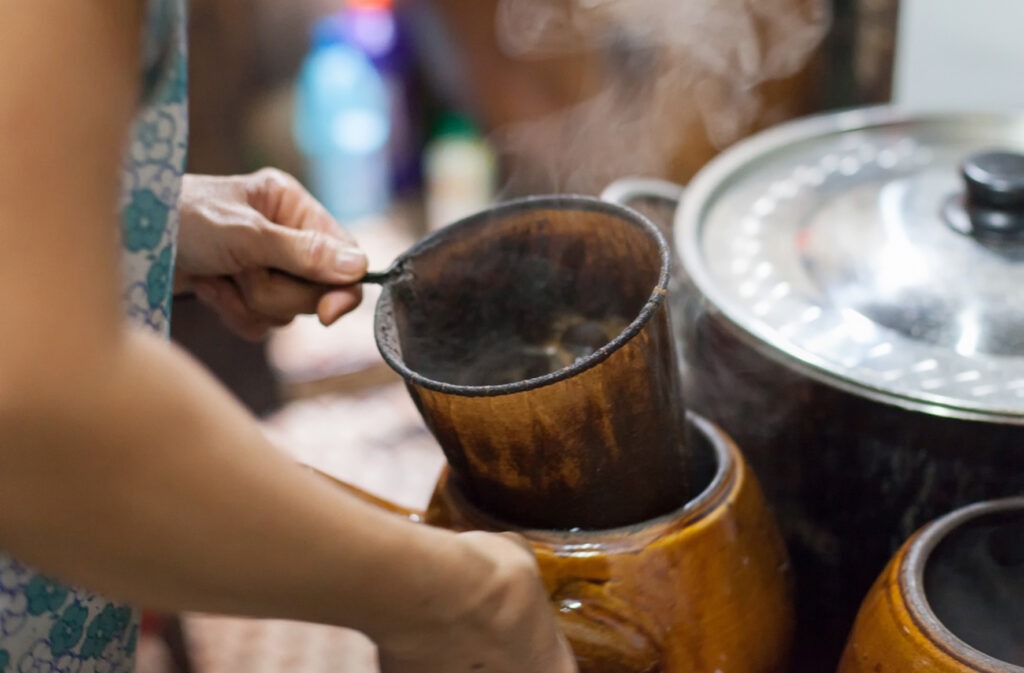
Coffee was introduced to Vietnam in the 19th century during the French colonial period. Quickly adapting to this new crop, Vietnamese farmers and artisans developed a coffee tradition suited to their own tastes and lifestyle.
By the early 20th century, coffee had become a key agricultural product in the Central Highlands and later expanded to other regions. Initially enjoyed only by French officers, the elite, and selected city dwellers, coffee gradually became widespread as production increased.
Today, Vietnam is known primarily for two varieties: Arabica and Robusta, with Robusta becoming a hallmark of the nation’s bold coffee identity.
Regional Coffee Culture in Vietnam
Vietnam’s coffee culture differs across its regions, shaped by local climate, lifestyle, and traditions. From Hanoi in the North to Saigon in the South and the charming towns of Central Vietnam, each area offers its own distinct take on the beloved drink.
Northern Vietnam
In the North, especially in Hanoi, coffee lovers prefer strong, bold black coffee brewed using the traditional phin filter. This slow-drip method creates a deep, aromatic flavor that reflects the calm and contemplative pace of life in the capital.
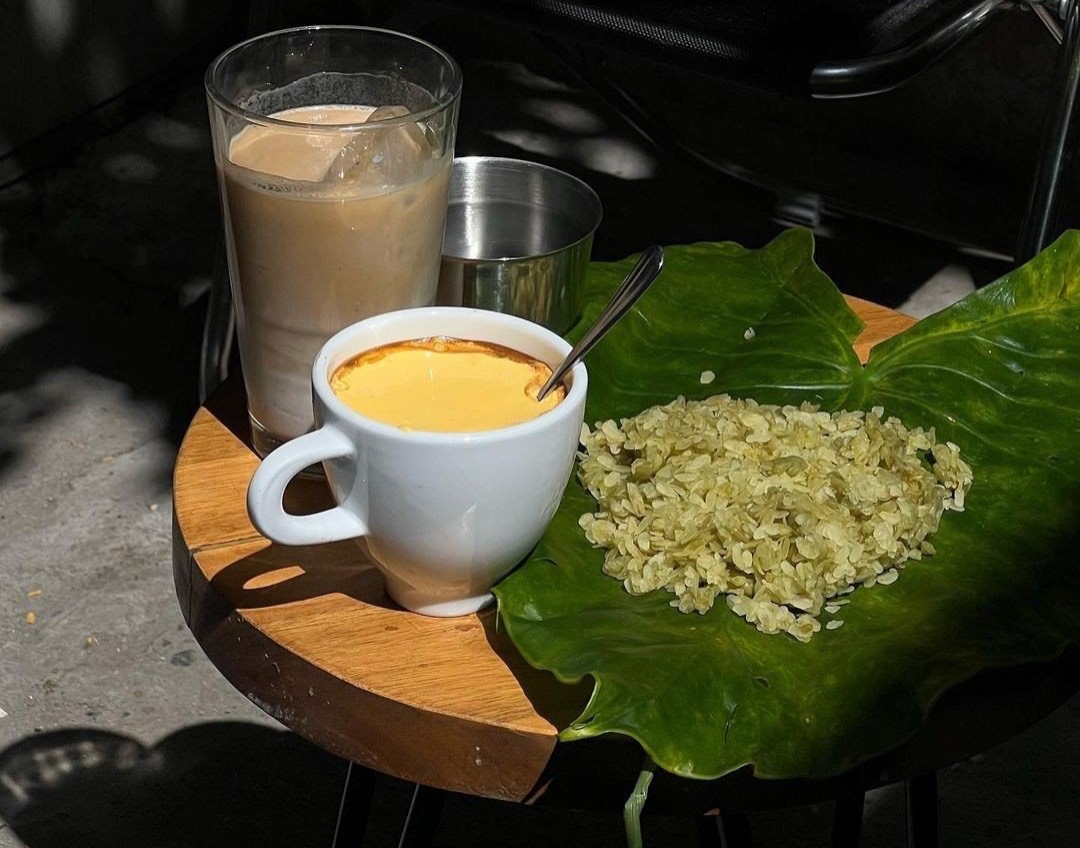
Besides, Egg coffee is a Vietnamese nationally acclaimed specialty made of egg yolks, sugar, condensed milk, and robusta coffee. This is a very popular drink in Hanoi, which can also be found in almost every coffee shop in other parts of Vietnam.
Egg coffee is served in numerous cafes in Vietnam in general and Hanoi in particular. It has been a staple of any cafe’s menu since the 1950s. Mr. Giang, the inventor of egg coffee, developed the recipe for this unique drink back when milk was still scarce in Vietnam. He replaced the dairy product with egg yolks, which together make a curious yet harmonious combination that will take many foreign tourists by surprise.
Southern Vietnam
In contrast, Southern coffee, particularly in Saigon, is typically lighter, sweeter, and more refreshing. Locals love drinks like bạc xỉu (a creamy mix of condensed milk with just a splash of coffee) and the iconic iced milk coffee (cà phê sữa đá). The result is a smooth, sweet beverage perfect for the region’s warm climate.
Central Vietnam
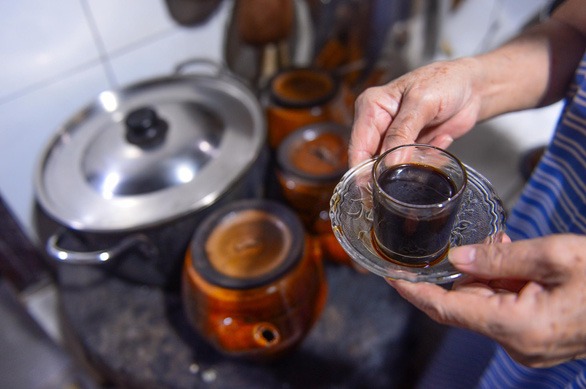
Central Vietnam offers a balance between the strong Northern style and the sweeter Southern variations. Coffee here has a moderate bitterness and pleasant sweetness, making it accessible to most tastes.
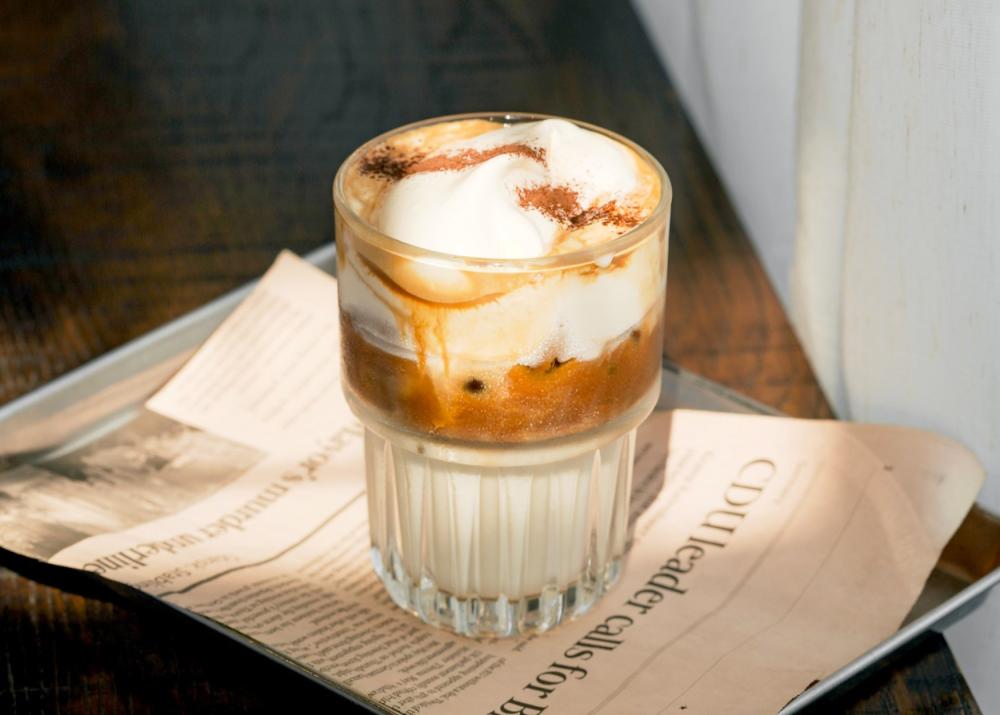
The region is also home to the famous “Huế salted coffee”, a delightful combination of coffee, milk foam, and a hint of salt that leaves a lasting impression.
Vietnamese Coffee Culture Through Time
Traditional Coffee
In the 1990s, “cà phê cóc”, simple street-side coffee stands, became an iconic part of Vietnamese daily life. Rather than fancy décor or stylish interiors, these cafés consisted of small plastic stools placed along the sidewalk, shaded by trees. Despite the simplicity, they played a special role: a place to relax, observe city life, and enjoy authentic coffee.
Modern Coffee
From the 2000s onward, Vietnamese cafés evolved dramatically. Contemporary coffee shops now offer comfortable interiors, Wi-Fi, curated music, and creative designs, while still maintaining the welcoming spirit of traditional coffee culture.
Today, when Vietnamese people say “Đi cà phê” (Let’s go for coffee), it means more than drinking coffee—it represents a moment to meet friends, work, study, or unwind. Modern cafés come in a wide range of concepts:
Book cafés, pet cafés, coworking cafés, and more, catering to diverse lifestyles and preferences.
Conclusion
Vietnamese coffee culture has undergone a remarkable transformation—from humble street stalls to innovative modern cafés—while always retaining its unique charm. Coffee is no longer just a drink; it is a way of life, a daily ritual, and an essential part of the Vietnamese identity.
If you plan to explore Vietnam, immersing yourself in its coffee culture is one of the most enriching experiences you can have.