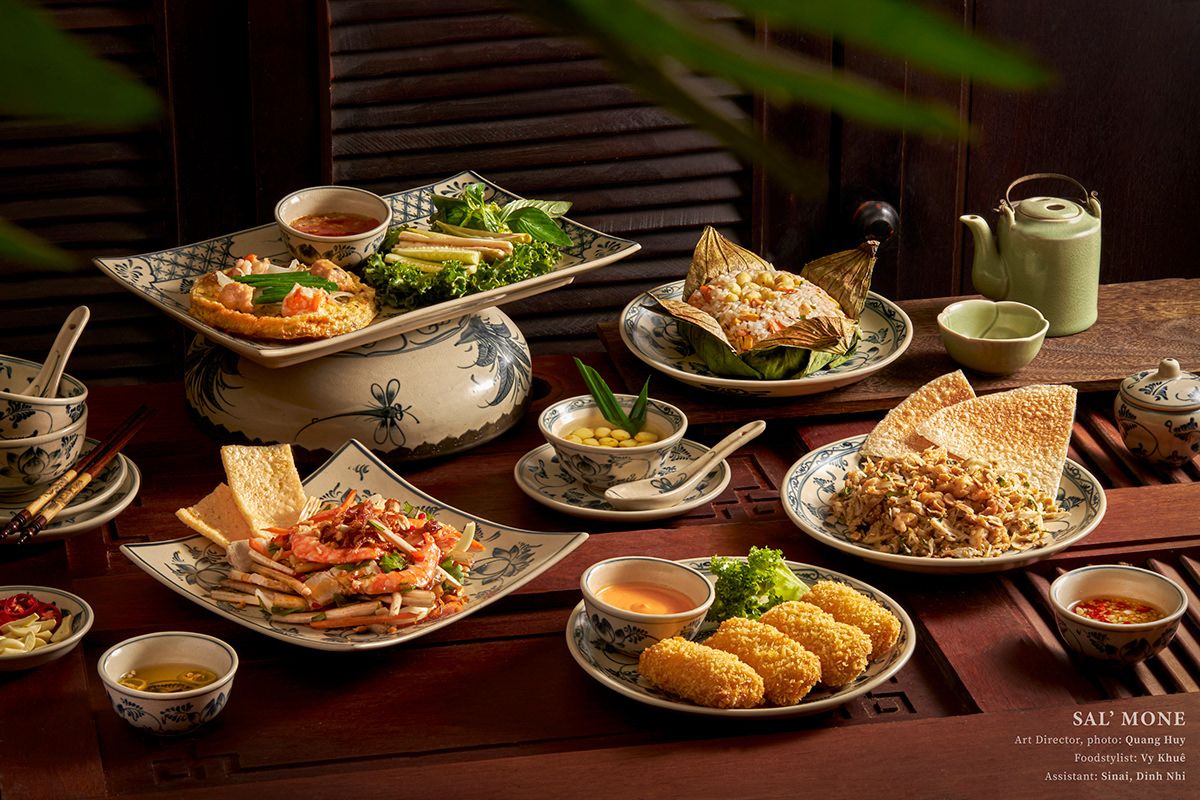
Da Nang is famous for its dynamic food scene, offering...
Read More
Explore offbeat places, secret beaches, and untouched natural beauty.
"Let Vietnam’s regional dishes guide you through stories of culture, tradition, and local identity."
Da Nang is the land of rich cultural traditions imbued with culture of South Central. It produced many great cultures, many famous patriotic.
Da Nang is considered one of the most livable cities in the world, thanks to its fresh air, clean streets, and well-maintained urban environment. In recent years, it has consistently ranked first in Vietnam for environmental protection, highlighting its commitment to a healthy, green lifestyle close to nature. Travelers to Da Nang can enjoy a pollution-free atmosphere, beautifully landscaped roads, and a serene setting perfect for relaxation, sightseeing, and experiencing city life. The city’s focus on cleanliness and sustainability makes it not only a comfortable destination to visit but also an ideal place to live.
John Doe
With its old-world architecture, cobbled streets, and distinctive yellow shop fronts festooned with colorful lanterns, it’s no wonder Hội An’s considered one of the most beautiful places in all of Vietnam. In 2021, Hội An – a UNESCO world cultural heritage site since 1999 − was named Asia's Leading Cultural City Destination at the World Travel Awards. Yet there’s more to it than awards and postcard-perfect beauty. The town boasts a long history of drawing people from across the world.
John Doe
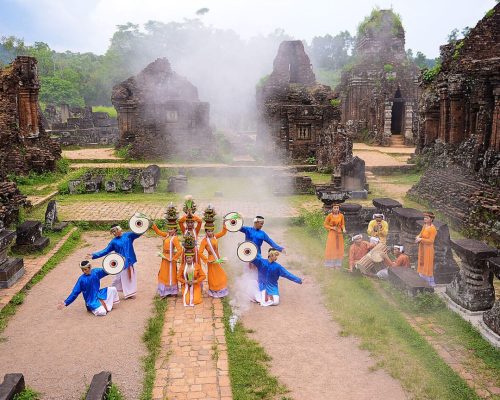
My Son tower-temple complex is situated in a mountain valley in the west of Duy Xuyen District, Quang Nam Province. There is a stream flowing across the complex, which joins the Thu Bon River, not far from Hoi An Ancient Town. The My Son sanctuary is considered significantly unique and rare among Cham towers’ architectural forms. Visitors will be amazed by the towers at My Son. There are walls, yards and roads linking the towers together in groups with the main temple in the centre.
John Doe
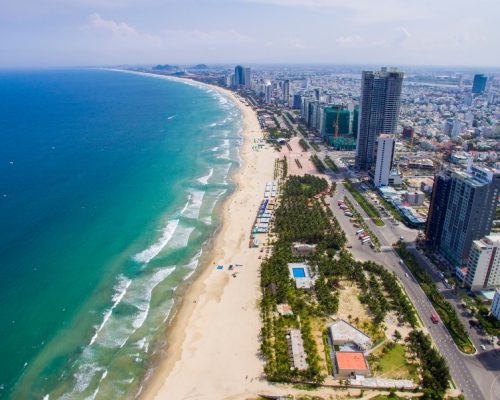
My Khe Beach is renowned for its soft, white sand and gentle waves, making it perfect for lounging or swimming.
For a quieter experience, head to Non Nuoc Beach, which offers a serene atmosphere and great views of the Marble Mountains in the background. Both beaches are ideal for sunbathers, families, and anyone looking to unwind by the sea. With loads of beachfront cafes nearby, you can sip a refreshing drink while soaking up the sun.John Doe
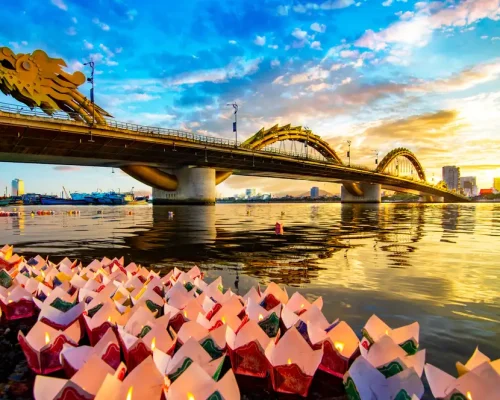
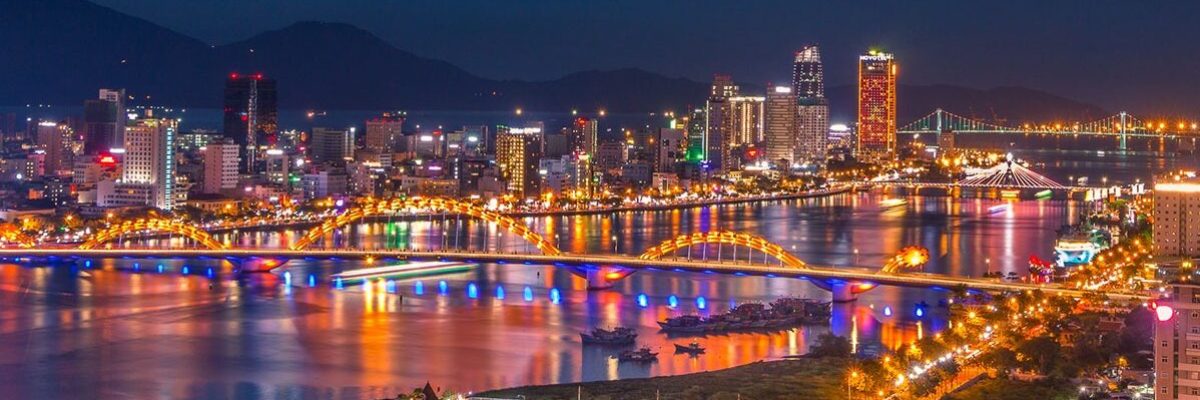
The Dragon Bridge (Cau Rong) is a must-see in Da Nang, completed in 2013 as the sixth bridge over the Han River. Its dragon-shaped design faces the ocean, symbolizing power and prosperity. By day, it’s a popular spot for photos, but it truly shines at night with vibrant lights. Every Saturday and Sunday at 9 PM, the dragon breathes fire and water in a spectacular show. This experience delights families, couples, and photographers alike.
John Doe
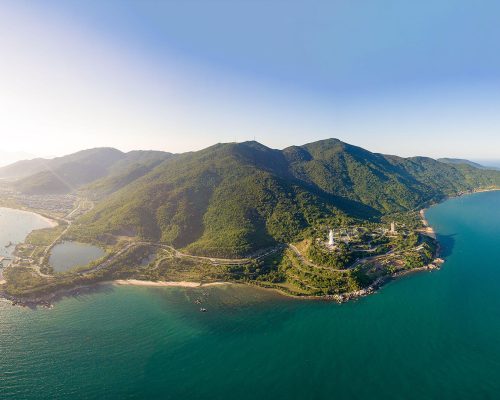
Located about 10 kilometers northeast of Da Nang city center, Son Tra Peninsula is a nature lover’s paradise. Often called Monkey Mountain or Nui Khi, it’s home to diverse wildlife, including the rare red-shanked langur.Visitors can ride a motorbike up winding roads to discover stunning viewpoints. This area is perfect for nature lovers, photographers, and those seeking a peaceful escape from the city.
John Doe
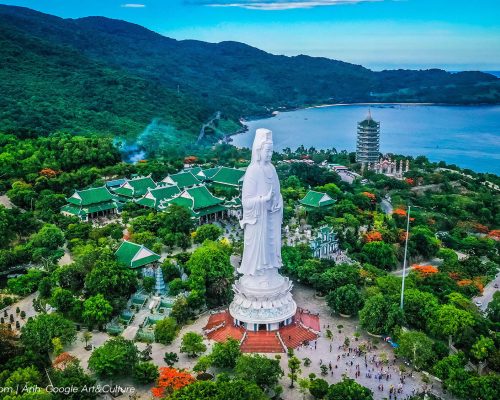
Linh Ung Pagoda is a Buddhist temple located on the Son Tra Peninsula. It’s known for its 67-meter-tall statue of the Lady Buddha. The pagoda offers not only a spiritual experience but also breathtaking views of the coastline and Da Nang city.This site is ideal for those seeking peace as well as families looking for cultural enrichment and a tourist’s favorite spot for some nice photographs.
John Doe
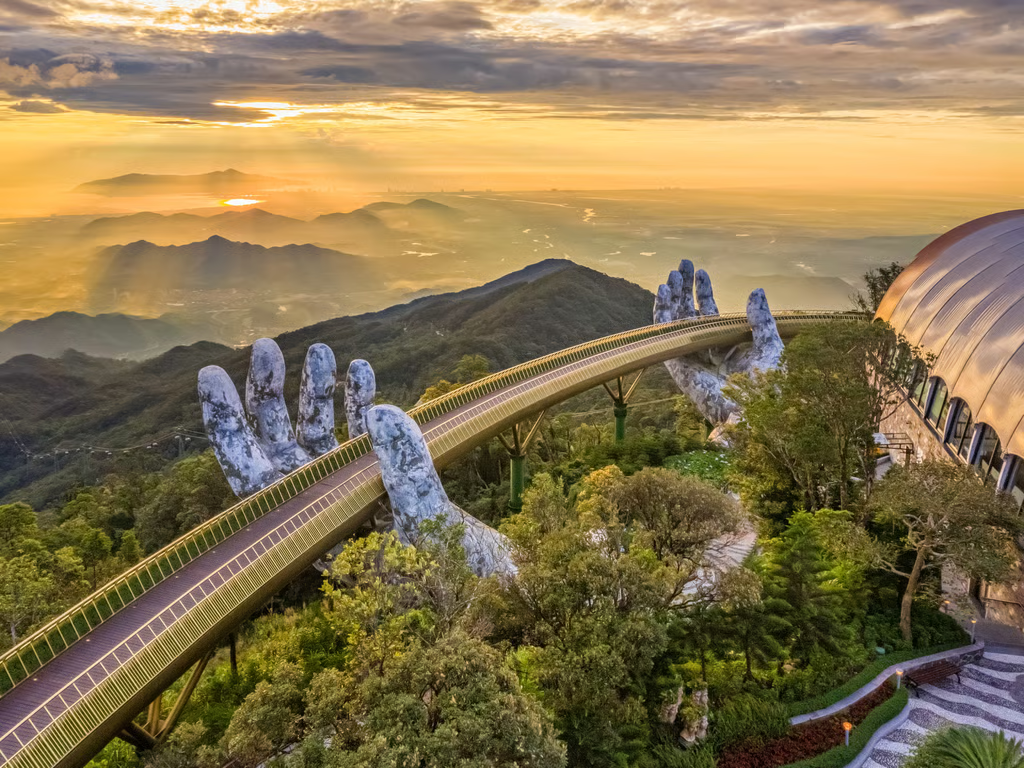
Located about 35 kilometers west of Da Nang, Ba Na Hills is a vast mountain resort famous for its cool climate and beautiful, fairytale-inspired structures.This is where you’ll find the iconic Golden Bridge (also known as Cau Vang), supported by gigantic stone hands. The cable car ride to the top is one of the longest in the world, with a total length of 5042 meters. During a 20-minute ride, you’ll get to see breathtaking views of the surrounding mountains and lush forests.
John Doe
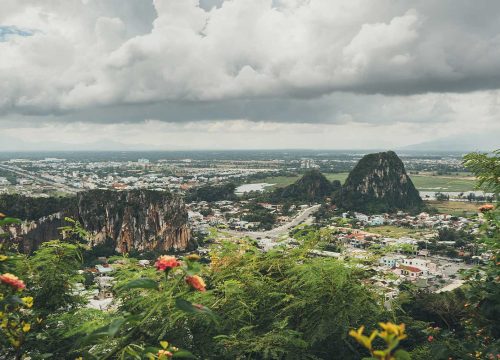
The Marble Mountains (Ngu Hanh Son) are five limestone hills south of Da Nang, each named after a natural element: Metal, Water, Wood, Fire, and Earth. Visitors can hike or take an elevator to enjoy panoramic views of the city and coastline. The mountains are home to caves, temples, and pagodas, offering a mix of adventure and culture. Exploring the area typically takes around 2 hours. It’s ideal for nature lovers, adventure seekers, and those interested in Vietnamese heritage.
John Doe
Da Nang has a tropical monsoon climate with an average annual temperature of 25.6°C, ranging from 21.2°C in February to 29.2°C in June. Humidity averages 83.4%, with yearly rainfall around 1,355 mm.
John Doe
Cool, pleasant weather with light rains; ideal for family trips, romantic getaways, or outings with friends; stable service prices.
John Doe
Warm (28–30°C) with little rain; perfect for beach holidays and resorts; peak tourist season.
John Doe
Cooler temperatures with short showers; promotions make travel more affordable.
John Doe
It’s not just a place for shopping and entertainment, it’s a symbol of harmony between traditional Vietnamese culture and the diverse cultures of the world.
Cu Chi Tunnels tours will help you discover the area resides at the end of the Ho Chi Minh Trail and served as the base from where Vietnamese guerilla soldier attacked Saigon. The fighters of Cu Chi took the war underground by developing a network of tunnels that stretched as far as Cambodia...
John Doe
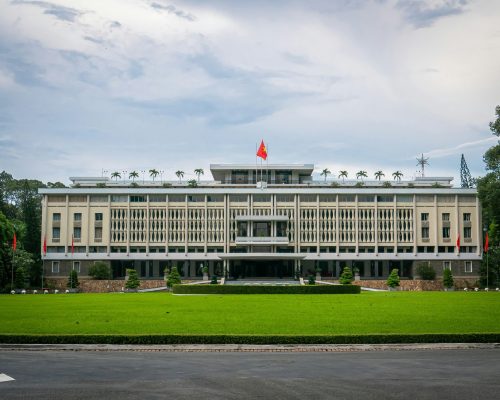
Independence Palace stands as one of Ho Chi Minh City’s most iconic landmarks, symbolizing Vietnam’s history, resilience, and reunification. With its striking 1960s architecture and well-preserved interiors, the palace offers a fascinating glimpse into the nation’s past. A visit here reveals stories that shaped modern Vietnam.
John Doe
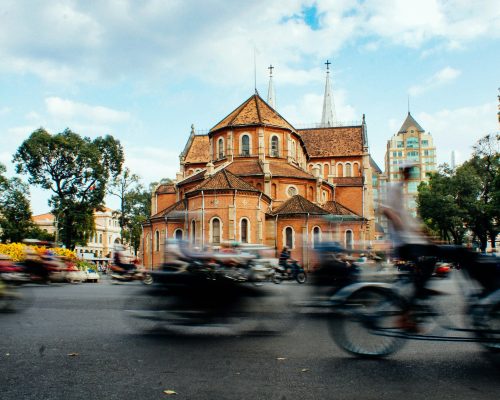
The Notre-Dame Cathedral of Saigon is a beloved architectural treasure built entirely from French-imported materials. Its red-brick façade, twin bell towers, and peaceful square create a timeless charm in the heart of the city. Beyond its beauty, the cathedral reflects the cultural and historical layers that define Saigon.
John Doe
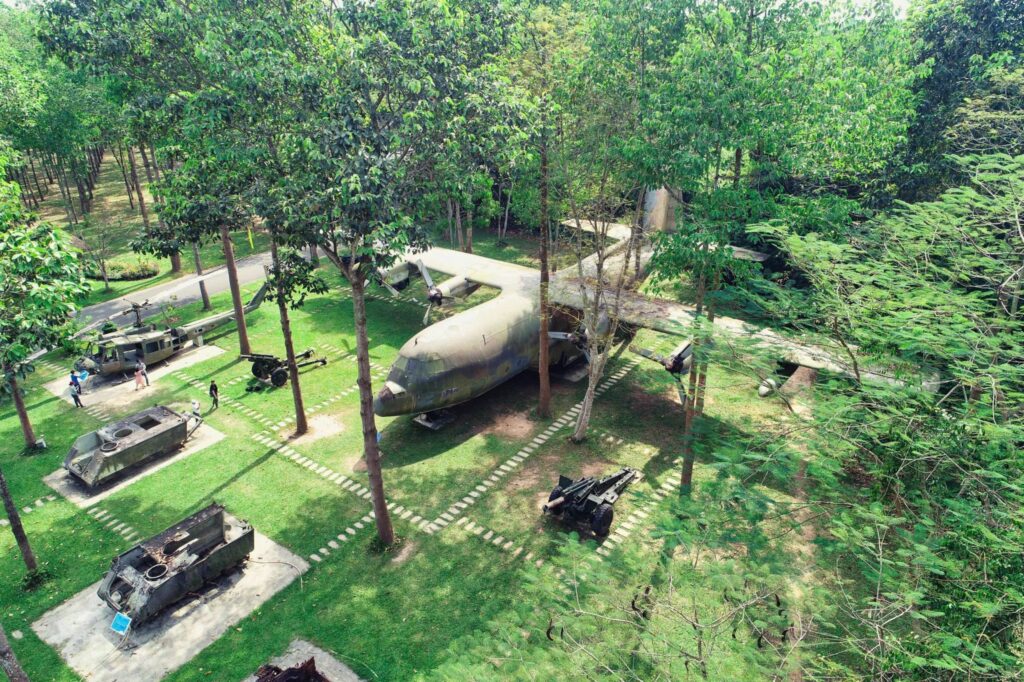
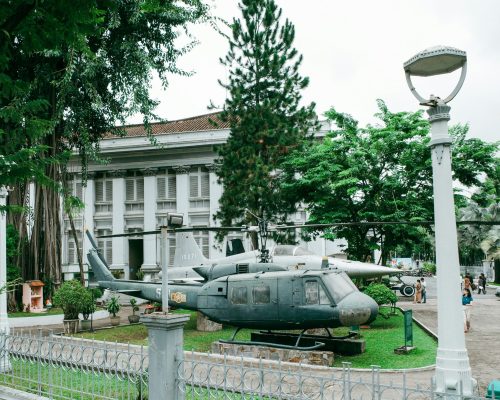
The War Remnants Museum offers a powerful and deeply moving look into Vietnam’s modern history. Through photographs, artifacts, and preserved exhibits, the museum documents the impacts of war and the enduring strength of the Vietnamese people. It is one of Ho Chi Minh City’s most significant cultural sites, inviting visitors to reflect, learn, and understand the stories that shaped the nation.
John Doe
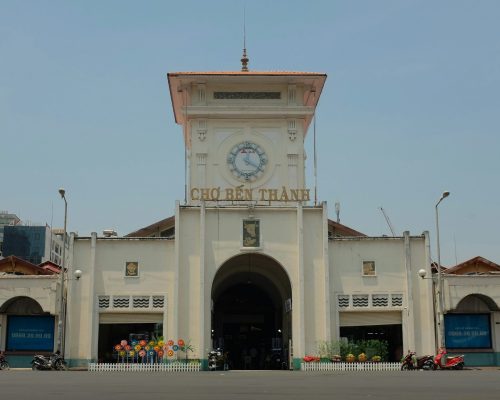
Located right in the heart of the city, Ben Thanh Market is a vibrant symbol of Saigon’s daily life, filled with colorful stalls, local flavors, and a lively atmosphere. From handcrafted souvenirs to traditional dishes, the market captures the true spirit of the city at every turn. It remains a must-visit destination for anyone looking to experience authentic Southern culture.
John Doe
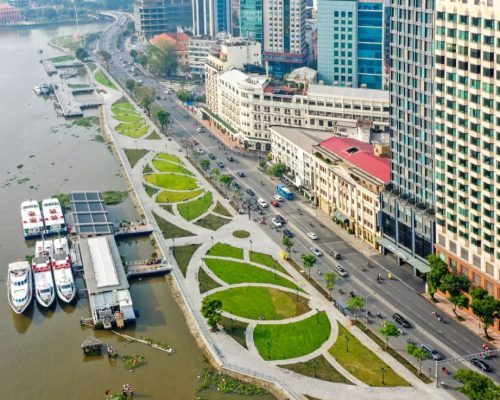
Bach Dang Wharf offers a peaceful riverside escape right in the center of the city. With scenic views of the Saigon River, cool breezes, and a beautifully renovated promenade, it’s perfect for relaxing strolls or evening cruises. Day or night, Bach Dang Wharf captures the charm of Saigon’s waterfront lifestyle.
John Doe
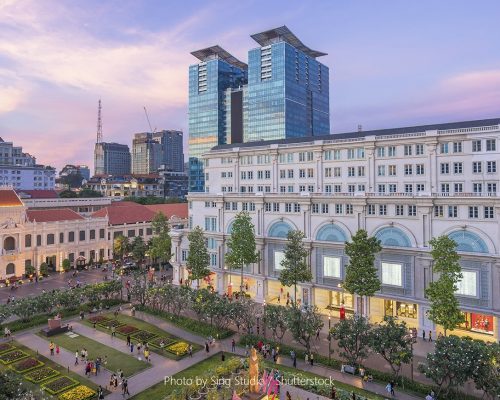
Nguyen Hue Walking Street is one of Saigon’s most vibrant public spaces, lined with cafes, shops, and bustling city life. By day, it’s a wide, modern boulevard perfect for strolling; by night, it transforms into a lively gathering spot filled with music, lights, and local energy. It’s the ideal place to feel the youthful, dynamic spirit of Ho Chi Minh City.
John Doe
Located in southern Vietnam, Ho Chi Minh City enjoys warm, tropical weather year-round, with plenty of sunshine and sudden showers — marked by two distinct seasons: the dry season and the rainy season. The city’s average temperature ranges from 27°C to 30°C, making it warm and vibrant throughout the year.
John Doe
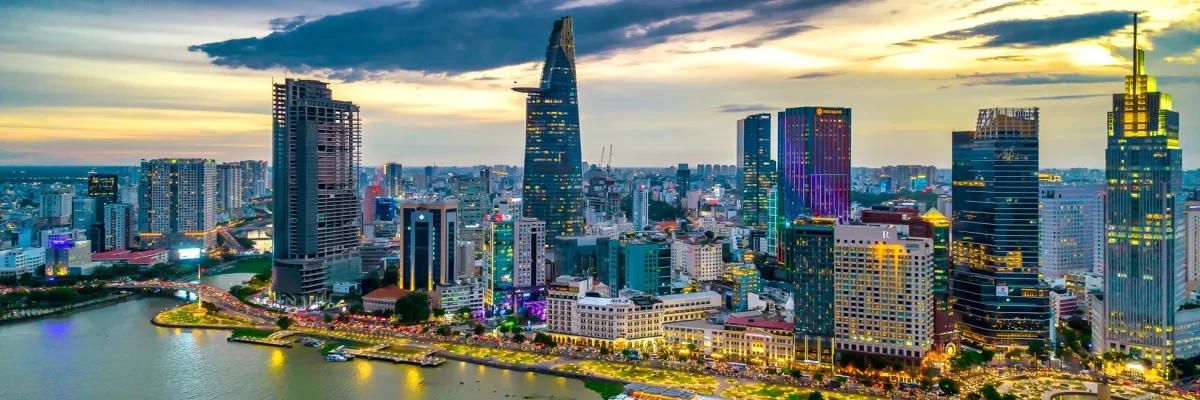
Dry, cool, and comfortable weather; perfect for city walks, café hopping, and outdoor events; the most pleasant season for first-time visitors.
John Doe
Sunny days with fewer crowds; great for exploring local food, markets, and cultural spots; ideal for photography with vibrant city scenes.
John Doe
Rainy season slows down, weather becomes mild; good hotel deals and stable service prices; refreshing evenings for riverside strolls and night activities.
John Doe
The harmonious blend of local heritage and global cultural influences is what gives Phu Quoc its unique and irresistible charm.
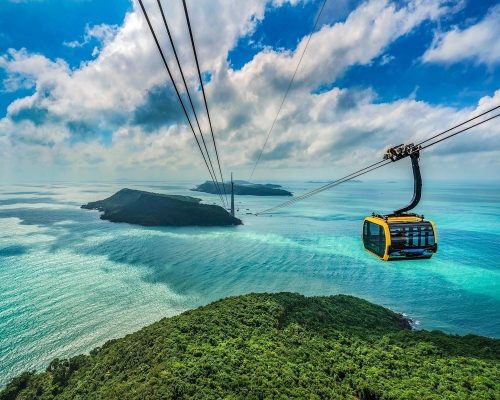
Sun World Hon Thom Cable Car offers an unforgettable journey across the sea, connecting Phu Quoc’s An Thoi Station to Hon Thom Island. As the world’s longest overwater cable car, it gives you sweeping views of turquoise waters, fishing villages, and the stunning southern archipelago. A must-try experience for anyone visiting Phu Quoc.
John Doe
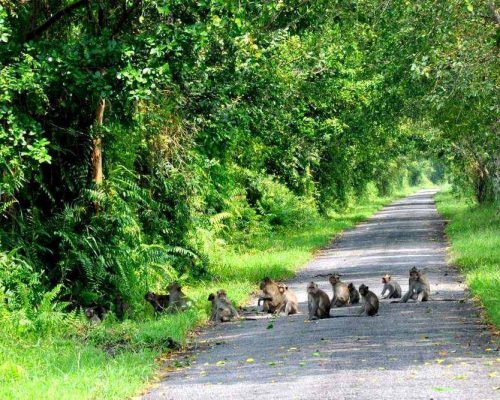
Phu Quoc National Park is a pristine natural sanctuary covering lush rainforests, diverse wildlife, and peaceful mountain trails. With over half of the island protected, the park offers fresh air, rich biodiversity, and quiet escapes into untouched nature. It’s the perfect destination for trekking, wildlife spotting, and experiencing the island’s most authentic, unspoiled landscapes.
John Doe
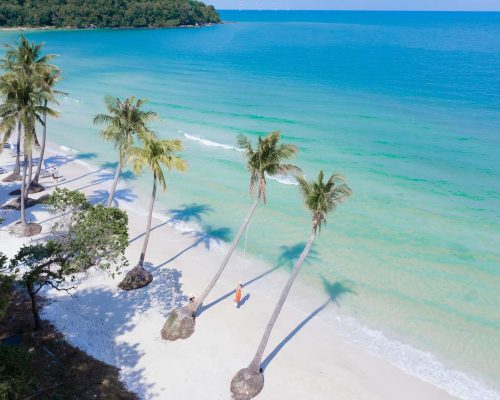
Sao Beach is famous for its powdery white sand and turquoise water, often considered one of the most beautiful beaches in Phu Quoc. The gentle waves, swaying palm trees, and tranquil coastline make it an ideal place to unwind, sunbathe, or simply enjoy the island’s signature serenity.
John Doe
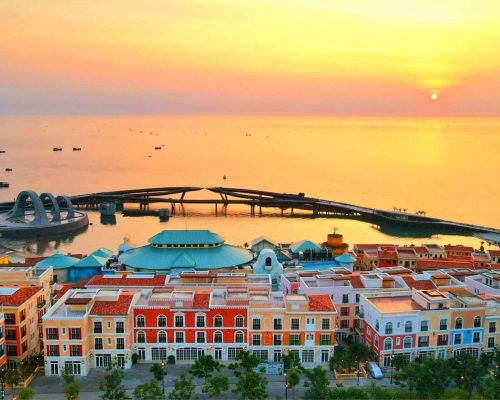
Inspired by Mediterranean architecture with pastel-colored buildings and coastal views. As its name suggests, this seaside town becomes truly magical at sunset, offering perfect spots for photos, strolls, and romantic moments by the sea.
John Doe
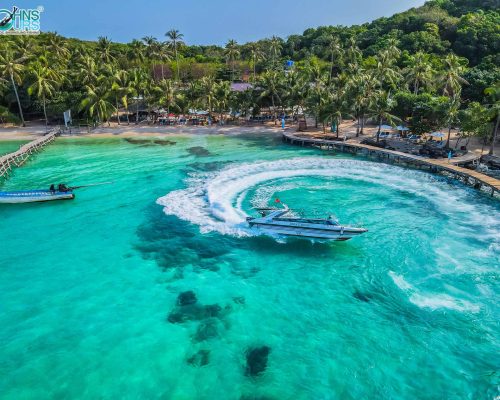
Hon May Rut is one of Phu Quoc’s most stunning islets, known for its crystal-clear waters, soft white sand, and peaceful tropical atmosphere. With vibrant coral reefs and calm waves, it’s a perfect spot for snorkeling, relaxing, and enjoying the pure beauty of the An Thoi archipelago.
John Doe
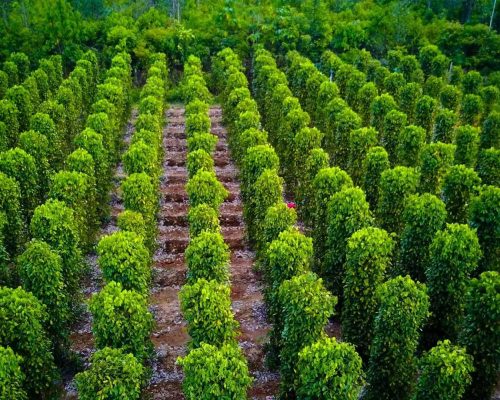
Phu Quoc’s pepper gardens showcase the island’s famous specialty—fragrant, high-quality black pepper. Visitors can walk through lush green pepper farms, learn about traditional cultivation methods, and purchase freshly harvested pepper straight from local growers. A simple yet authentic glimpse into island agriculture.
John Doe
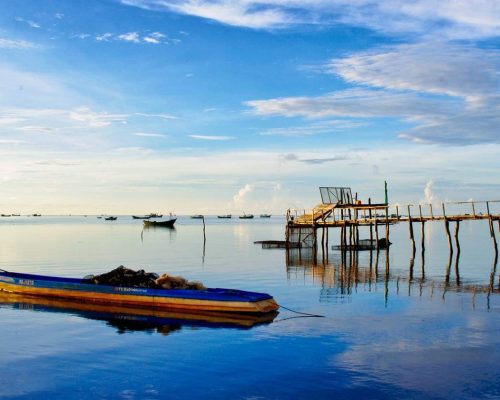
Ham Ninh Fishing Village offers a peaceful glimpse into Phu Quoc’s traditional coastal life. Known for its wooden piers, fresh seafood, and serene sunrise views, the village preserves an authentic, simple charm that reflects the island’s long-standing fishing heritage. It’s an ideal stop to enjoy local dishes and experience true island culture.
John Doe
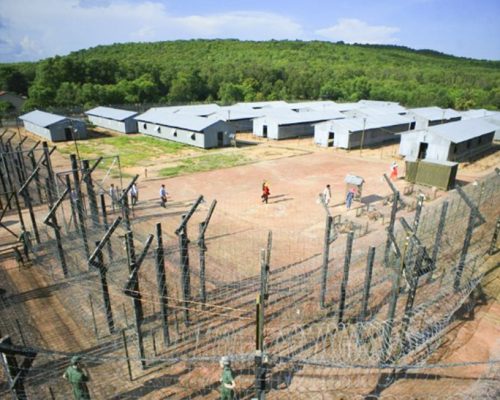
Phu Quoc Prison, also known as the Coconut Tree Prison, is a solemn historical site that preserves stories of resilience and sacrifice during wartime. Through reconstructed cells, exhibits, and guided paths, visitors gain a deeper understanding of Vietnam’s history and the hardships once endured by prisoners.
John Doe
Located off the southwest coast of Vietnam, Phu Quoc enjoys warm, tropical weather throughout the year, defined by two distinct seasons: the dry season and the rainy season. With average temperatures ranging from 26°C to 29°C, the island offers ideal conditions for beach activities, nature exploration, and island hopping.
John Doe
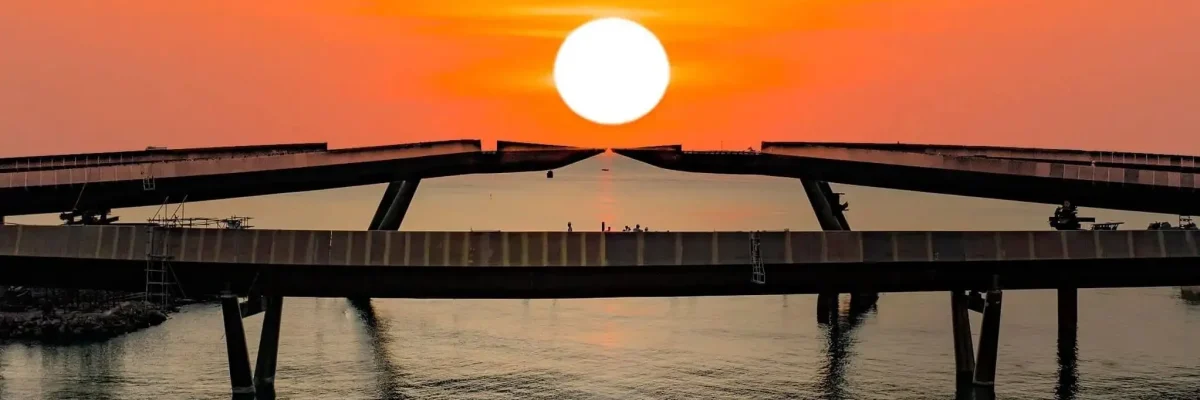
Comfortable temperatures, gentle sunshine, and calm seas — perfect for swimming, sightseeing, and enjoying the island at its most beautiful.
John Doe
Clear skies and bright weather; ideal for snorkeling, cable car rides, and exploring the smaller islands around the An Thoi archipelago.
John Doe
Rains begin to ease and the island becomes quieter; a great time for peaceful getaways, lush landscapes, and attractive travel deals.
John Doe
Street food in Hanoi is an essential part of the city’s culture, offering a vibrant mix of flavors, fresh ingredients, and time-honored recipes. Must-try items include Pho (noodle soup), Bun Cha (grilled pork with noodles), Ngan Chay Toi, and Egg Coffee…
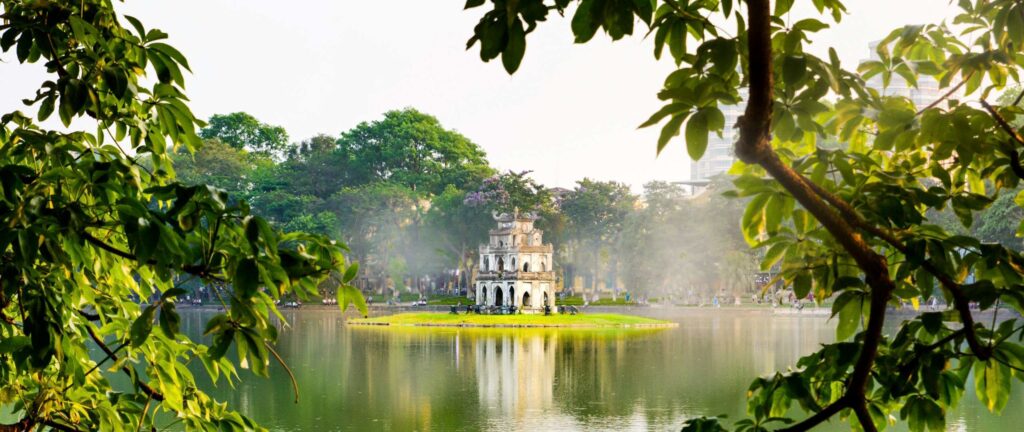
Hoan Kiem Lake is the symbolic heart of Hanoi, blending peaceful scenery with centuries of history and local life. Surrounded by ancient trees, charming walkways, and the iconic Turtle Tower, the lake offers a calm escape in the middle of the bustling Old Quarter. Early mornings and evenings are especially magical, filled with soft light, cool breezes, and the gentle rhythm of Hanoians practicing tai chi or enjoying their daily stroll.
John Doe
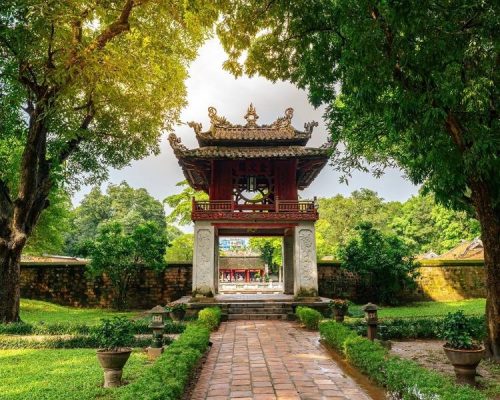
The Temple of Literature is Vietnam’s first national university, honoring Confucian values and centuries of scholarly tradition. With ancient courtyards, stone steles, and peaceful gardens, this historic site reflects the elegance and intellectual spirit of old Hanoi.
John Doe
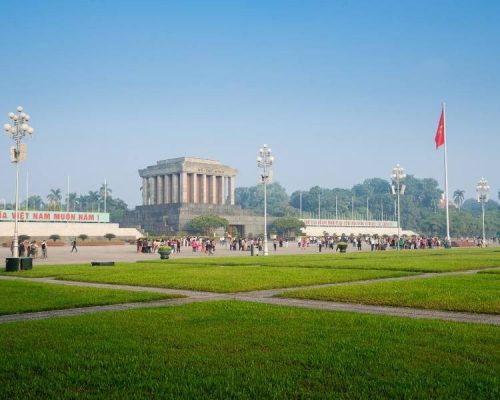
Ba Dinh Square is a landmark of national pride, where President Ho Chi Minh declared Vietnam’s independence in 1945. Surrounded by important government buildings and the Ho Chi Minh Mausoleum, the square holds deep historical significance and a solemn, respectful atmosphere.
John Doe
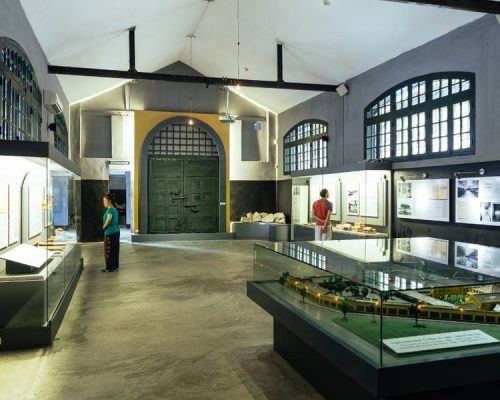
Hoa Lo Prison offers a powerful look into Vietnam’s turbulent past, preserving stories of resilience and sacrifice from the colonial era to wartime. Exhibits, reconstructions, and historical artifacts reveal the hardships faced by prisoners and the spirit of those who lived through it.
John Doe
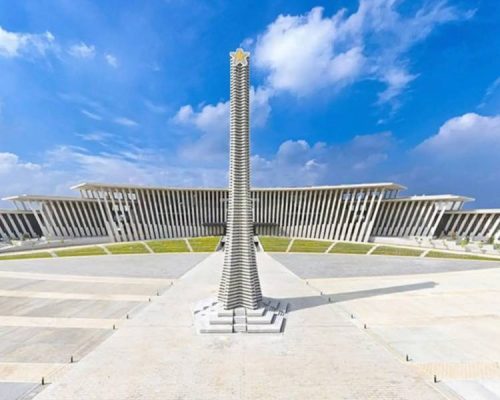
The Vietnam Military History Museum showcases the country’s long journey of defense and resilience. With aircraft, weaponry, documents, and impressive outdoor exhibits, the museum gives visitors a comprehensive look at Vietnam’s military heritage across different eras.
John Doe
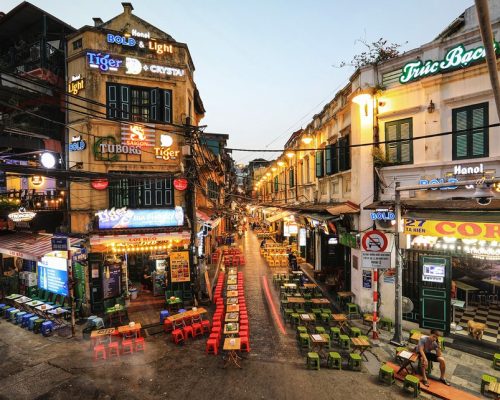
The Hanoi Old Quarter is a lively maze of ancient streets, traditional shop houses, and vibrant everyday culture. From local street food to craft boutiques and historic temples, this iconic district reflects the charm, character, and rich heritage of old Hanoi.
John Doe
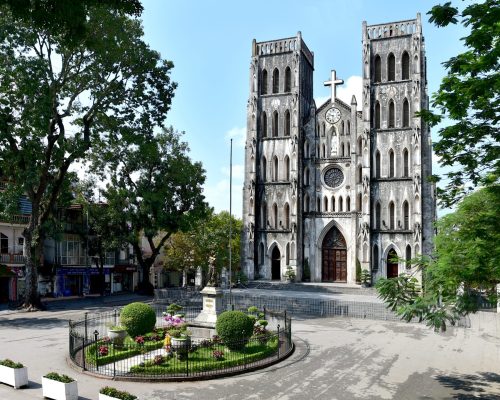
St. Joseph’s Cathedral, with its neo-Gothic architecture and serene courtyard, is one of Hanoi’s most beloved landmarks. Its towering façade, stained-glass windows, and peaceful surroundings make it both a spiritual center and a favorite photo spot in the heart of the city.
John Doe
Located in northern Vietnam, Hanoi experiences four distinct seasons, from cool winters to warm summers, creating a charming and ever-changing atmosphere for travelers.
Cool, dry air with gentle sunshine; perfect for walking around Hoan Kiem Lake, the Old Quarter, and enjoying the city’s most pleasant climate.
John Doe
Mild temperatures and blooming trees make spring ideal for sightseeing, photography, and exploring cultural sites.
John Doe
Crisp winter days with a festive vibe; great for café hopping, night markets, and experiencing Hanoi’s cozy seasonal atmosphere.
John Doe
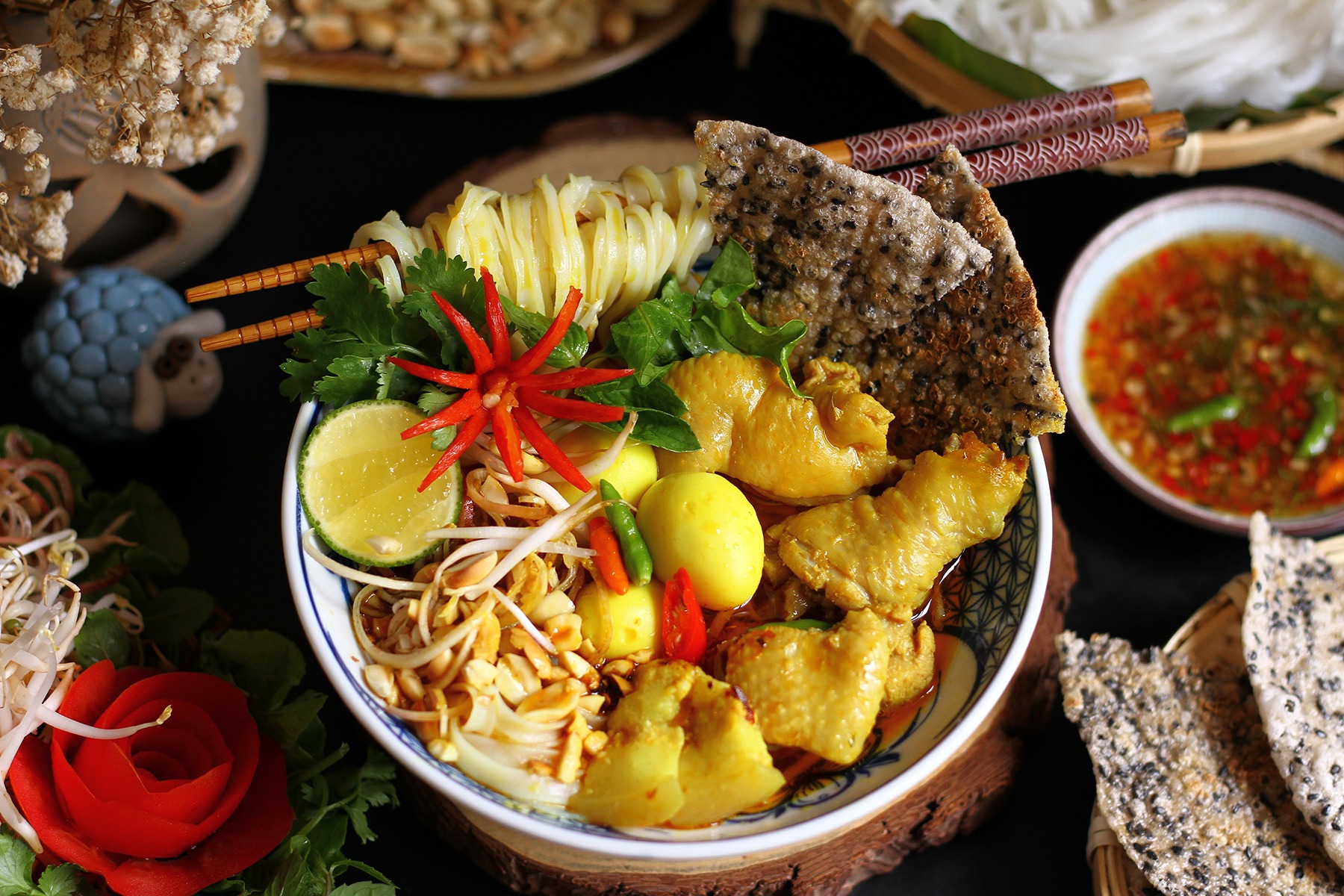
Da Nang is famous for its dynamic food scene, offering...
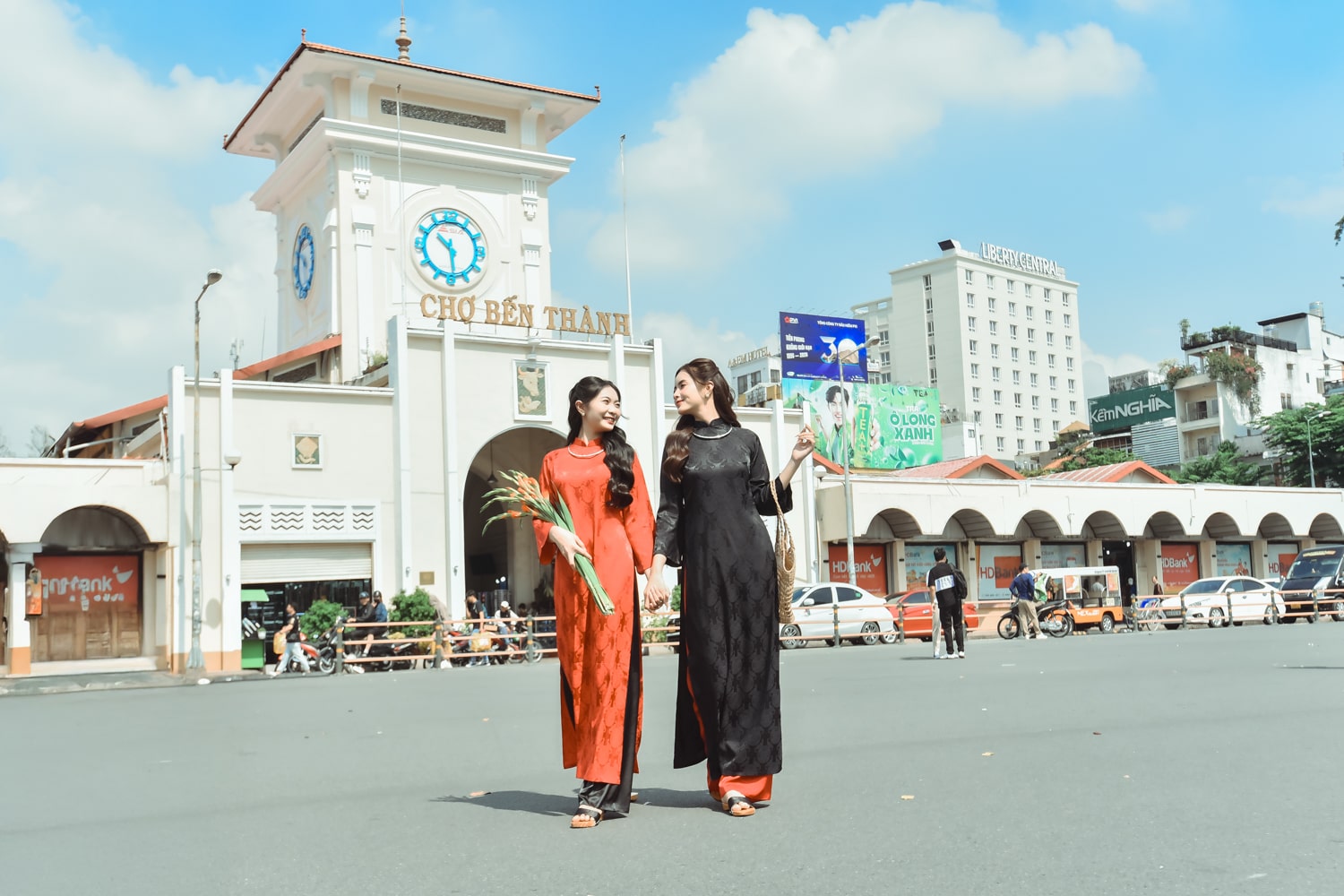
Read MoreTraditional Vietnamese clothing reflects the nation’s identity and long heritage,...
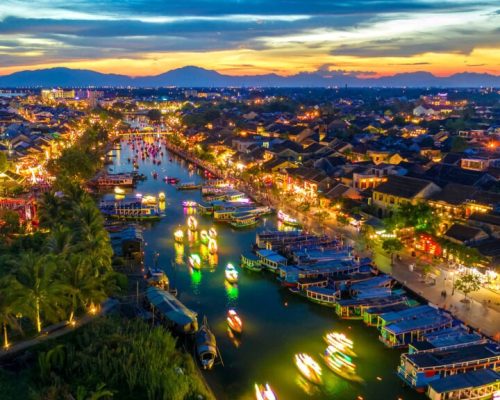
Read MoreAnyone who knows Da Nang well will tell you that...
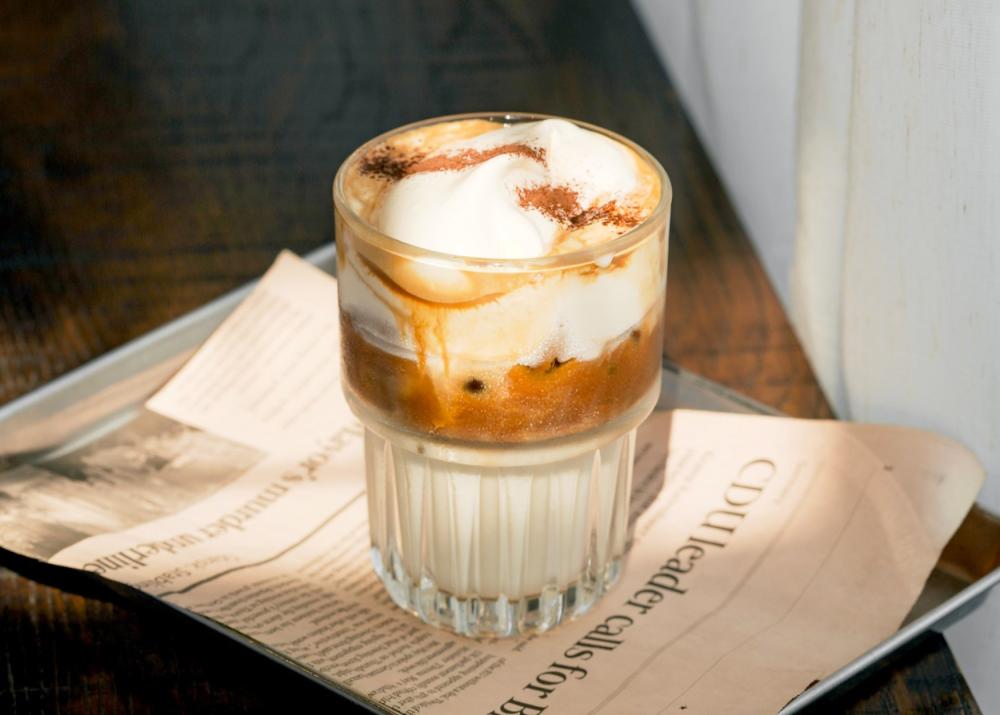
Read MoreBeyond offering energy and refreshment, enjoying a cup of coffee...
Read MoreCelebrate the season at M Hotel Danang, where ocean views...
Read More39 Ton That Thiep St, Sai Gon Ward, Ho Chi Minh City, Vietnam
+84 28 3821 2888
Email:
[email protected]

Follow us on our socials