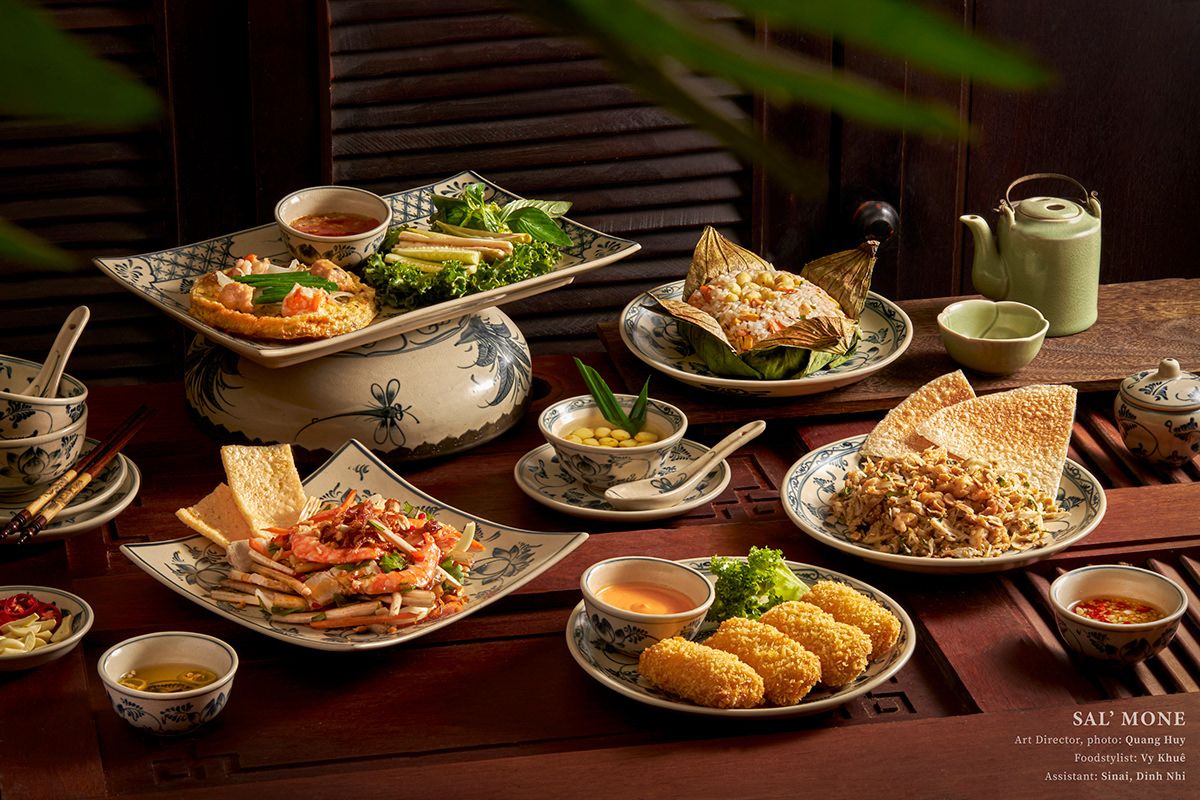
Da Nang is famous for its dynamic food scene, offering...
Read More
Vietnamese people are known for our friendly personalities.
We take pride in our rich history and culture and are always eager to share it with others.
"Let Vietnam’s regional dishes guide you through stories of culture, tradition, and local identity."
Vietnam is a populous country, ranked 15th in the world, with an estimated population of around 100 million in 2023. It is home to 54 ethnic groups, each with distinct languages and cultures. The Kinh people are the largest ethnic group, residing across deltas, islands, and cities.
Alternatively, many ethnic minority groups such as the Thai, Tay, Muong, Hmong, Khmer, Nung, and Dao inhabit rural areas such as the mountainous regions, the Central Highlands, and the Mekong River Delta.
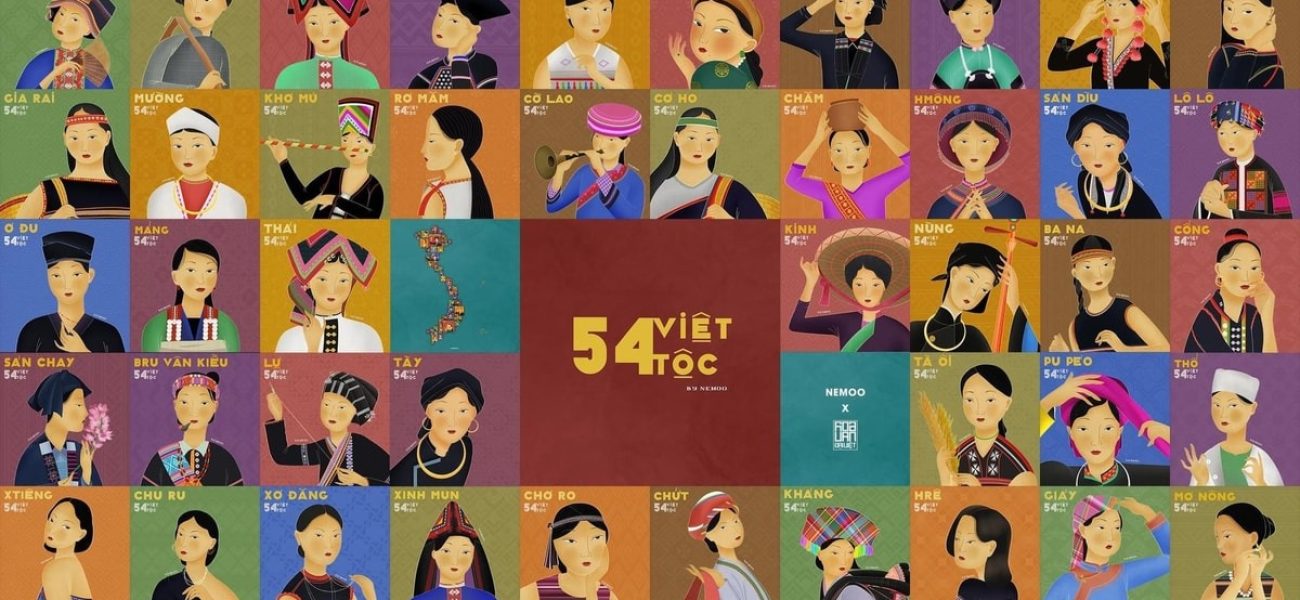
A beautiful country in Southeast Asia, Vietnam is known for its rich history and diverse culture. The people of Vietnam are one of the most important aspects of the country's unique identity. In this article, we will explore some typical Vietnamese people's characteristics.
Over time, the appearance of Vietnamese people has changed. The Vietnamese average height is 159 centimeters. The average height of a Vietnamese man is 165 centimeters, and for women, it is nearly 155 centimeters.Vietnamese women have been praised for their harmonious features: plump faces, dark hair, large double eyelids, fair skin, and slim body.Additionally, due to the region's geography and climate, East and Southeast Asians share many physical characteristics, such as fair skin, black hair, and a low nasal bridge.
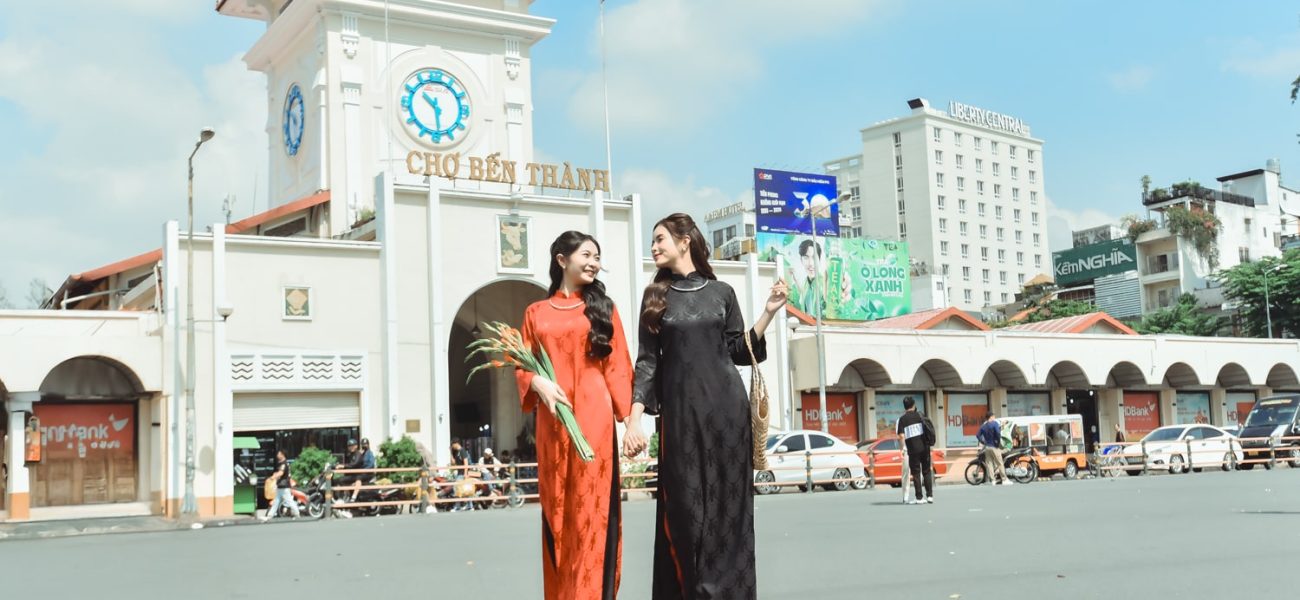
Vietnamese people are widely recognized for their warmth and friendliness. They take pride in their rich history and culture and enjoy sharing it with visitors. Some key traits of Vietnamese personalities include:
Vietnamese are known for their generosity toward guests, often offering food or drinks and treating visitors like old friends. Friendliness is a natural part of everyday life, evident in the way people greet each other warmly.
Vietnamese people are determined and industrious, striving not only for personal success but also for the well-being of future generations. They value education highly and are eager to learn, grow, and challenge themselves intellectually.
Deep love for their country and heritage is central to Vietnamese identity. This pride is expressed through traditional music, cuisine, festivals, and other cultural practices that they enjoy sharing with others.
Cultural traits vary across the country’s three main regions. People from the North and Central regions tend to be hardworking, formal, and cautious, while Southern Vietnamese often have a more relaxed, Western-influenced lifestyle.
Family plays a vital role in Vietnamese society, with multiple generations often living together. Maintaining strong family bonds is a priority, and holidays or festivals are occasions for family reunions. Grandparents frequently help raise grandchildren alongside parents.
Vietnamese people enjoy humor, whether through puns, jokes, or sarcasm. Even in challenging situations, they maintain a light-hearted attitude, often finding reasons to laugh and appreciate life’s blessings.
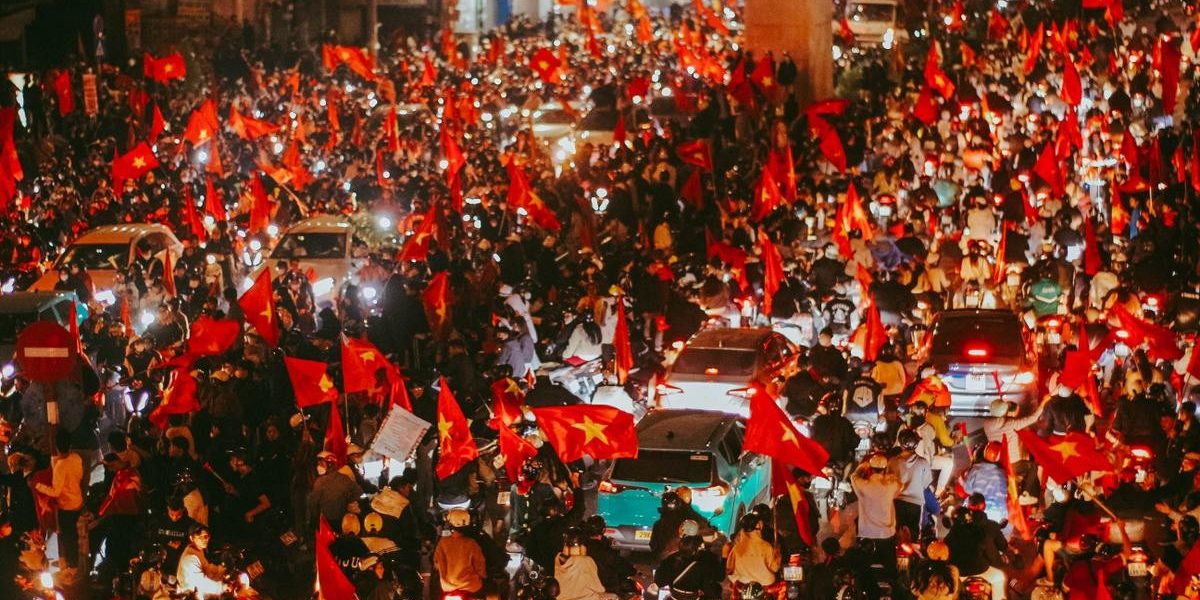
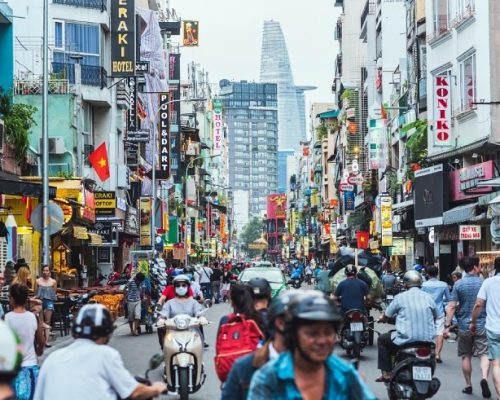
Vietnamese people love their motorbikes and are experts at weaving through traffic with incredible skill. In cities like Hanoi and Ho Chi Minh City, the streets resemble a chaotic yet mesmerizing ballet of motorbikes. It’s common to see entire families, including children and even pets - riding on a single motorbike. Sometimes, you might even spot someone balancing a giant bundle of goods or a bamboo ladder on their bike, which always surprises first-time visitors.
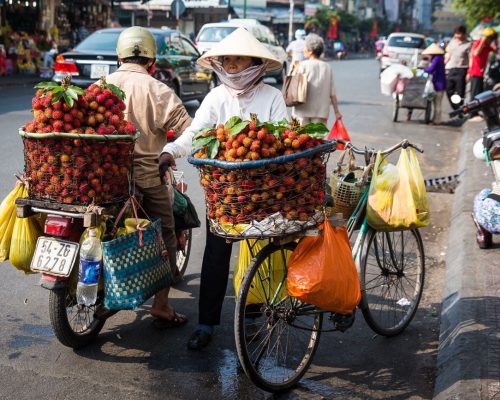
Sidewalks in Vietnam are lively extensions of daily life. Vendors sell everything from street food to clothing, and small plastic stools and tables allow people to eat, chat, and relax right on the street. Sidewalks truly serve as open-air living rooms for the locals.
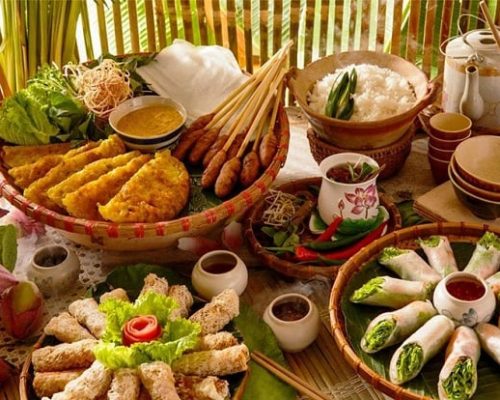
Sharing food is central to Vietnamese culture. Locals often order a variety of dishes and share them with everyone at the table, encouraging tasting different flavors together. Meals are social events, bringing family and friends closer.
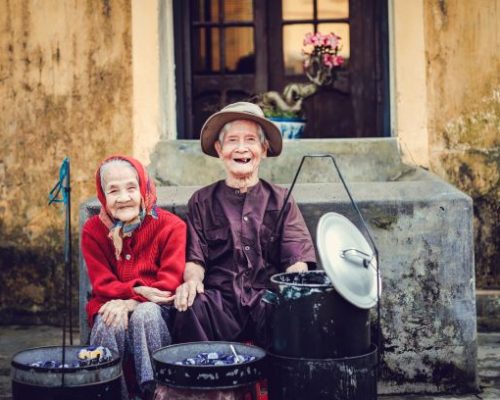
Respect for the elderly is deeply rooted in Vietnamese culture. Younger people often give up their seats on public transport, and children use special respectful terms for elders. This respect extends to workplaces and social gatherings.
Throughout its long history, Vietnam has been home to many influential figures who have left a lasting mark on the world. From political leaders such as Ho Chi Minh and Nguyen Trai to renowned poets like Nguyen Du and Chu Van An, below are some of the country’s greatest minds recognized by UNESCO:
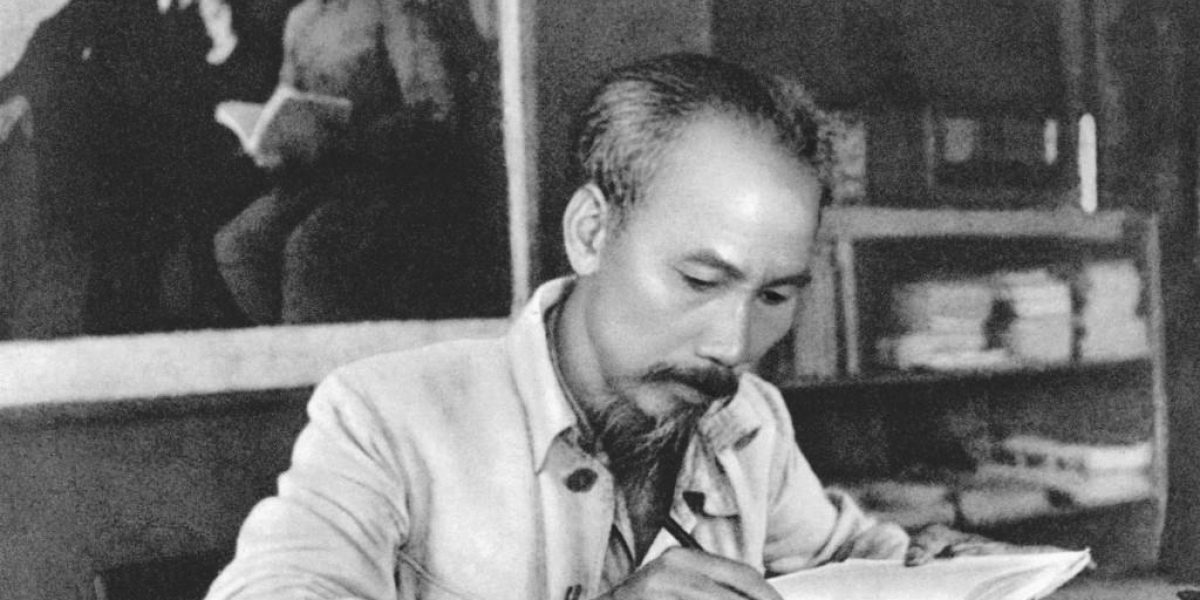
President Ho Chi Minh is a symbol of peace and revolution who devoted his life to bringing independence, prosperity, and equality to Vietnam. He is remembered as an outstanding cultural man and educator who strove to bring knowledge and raise the educational level of the nation.
“Nothing is more precious than independence and freedom” is a mantra that Ho Chi Minh believed in until his last breath. The president’s legacy continues to live on with the dream of freedom, independence, and justice for all ethnicities. Through his efforts, he created a path for the Vietnamese people toward progress. His message still stands strong today in memory of the fight against oppression, inequality, and colonialism.
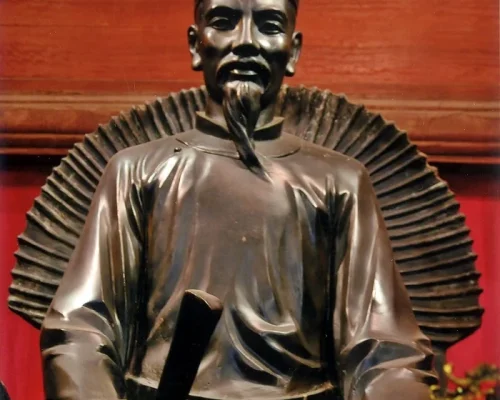
Nguyen Trai, a great patriot and cultural leader of Vietnam, is known as one of the most famous people in Vietnamese history. A descendant of the Tran Dynasty and born in Hai Duong, he devoted his life to showing admiration and care for the nation through military-political thought.
Famous works such as Quan Trung Tu Menh Tap and Binh Ngo Dai Cao reflect his immense contributions to Vietnam during the Lam Son Uprising. His other writings, such as Uc Trai Thi Tap (in Chinese) and Quoc Am Thi Tap (in Nom), also remain significant treasures among Vietnamese people.
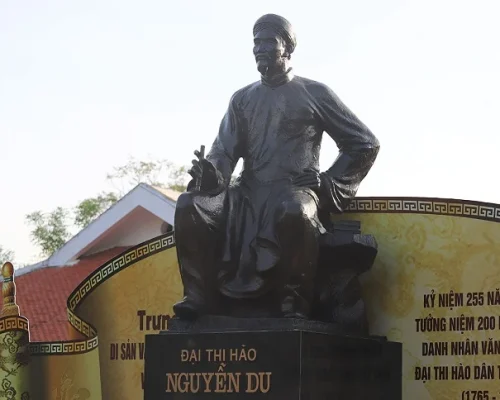
Nguyen Du (1765 - 1820) is considered one of the greatest poets of Vietnam. His most famous work, "The Tale of Kieu," has become a common literary property around the world, immortalizing the story in Vietnamese people's hearts and minds. This masterpiece has been translated into over 20 languages, from Arabic to Russian.
Former U.S. President Bill Clinton once began his talk with students in Vietnam using two sentences from "The Tale of Kieu." As Nguyen Du set an example for future generations, his historic works live on to honor Vietnamese people’s vigor and culture across the world.
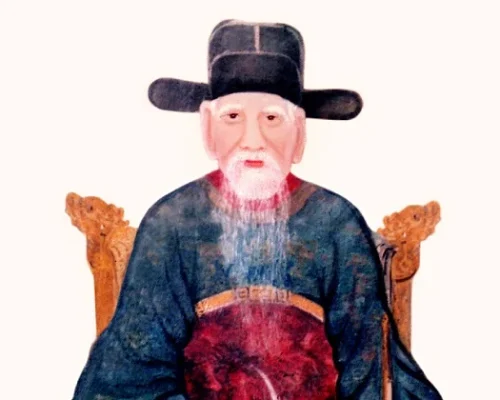
Chu Van An, born in Hanoi, was a renowned teacher in Vietnam. He preached the philosophy of education and believed in lifelong learning for Vietnamese people regardless of social status, deeply influencing many generations with his progressive values. He made remarkable contributions to the country by becoming the first rector of the Imperial Academy.
In memory of his amazing career, there are several temples dedicated to him, such as Thanh Liet Temple. Furthermore, the people of Hanoi pay homage to him by naming places after him, such as Chu Van An Street and Chu Van An High School.
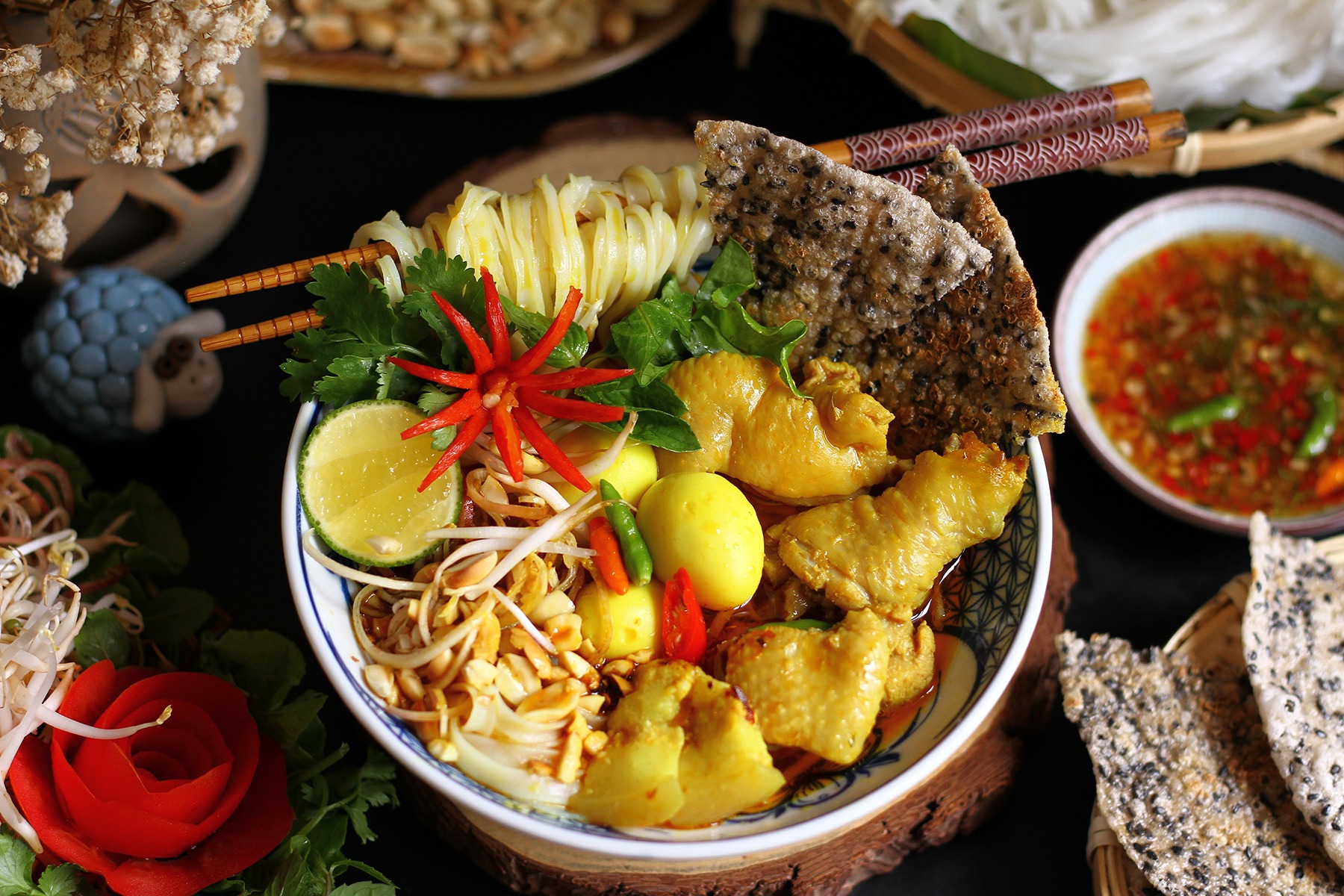
Da Nang is famous for its dynamic food scene, offering...
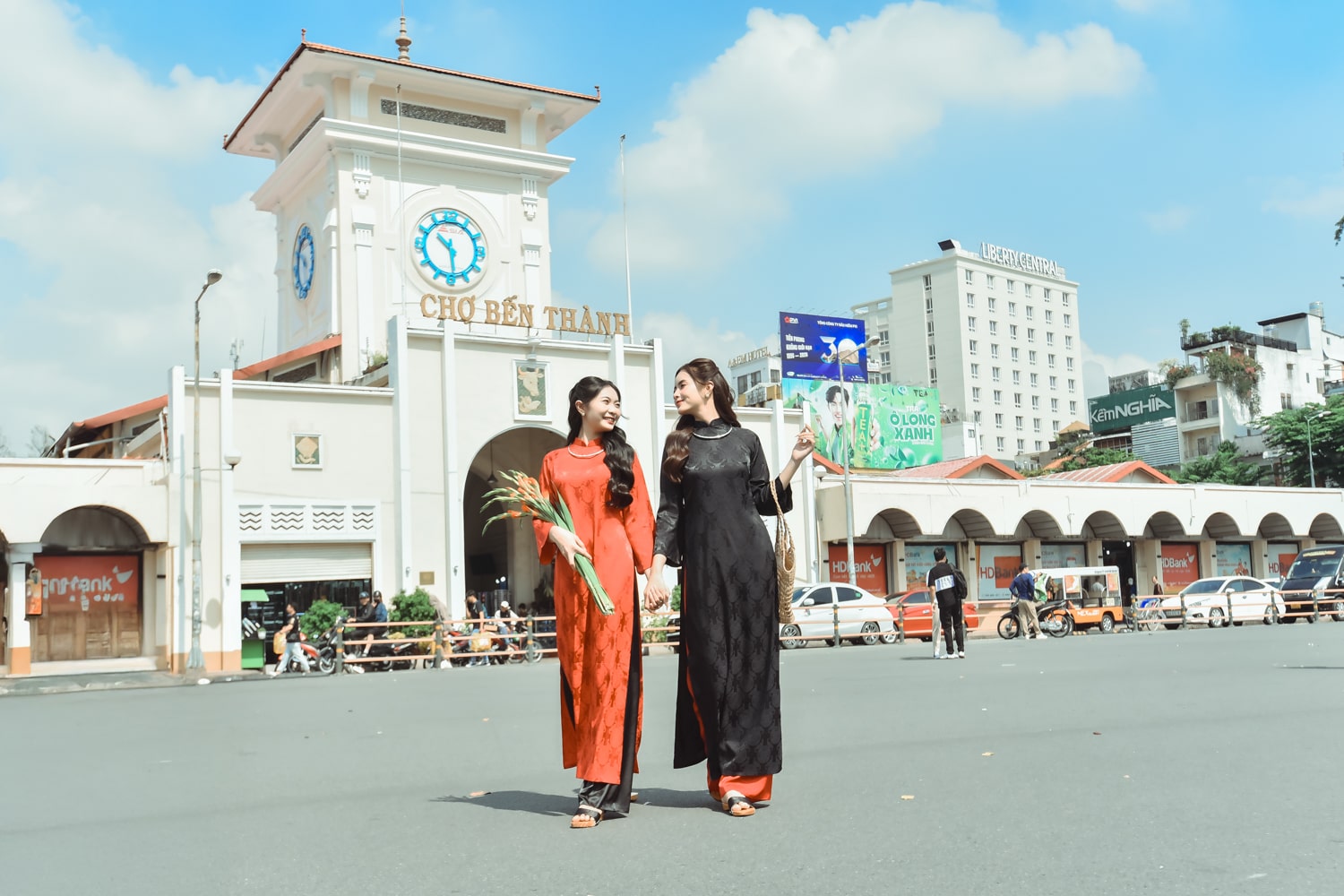
Read MoreTraditional Vietnamese clothing reflects the nation’s identity and long heritage,...
Read MoreAnyone who knows Da Nang well will tell you that...
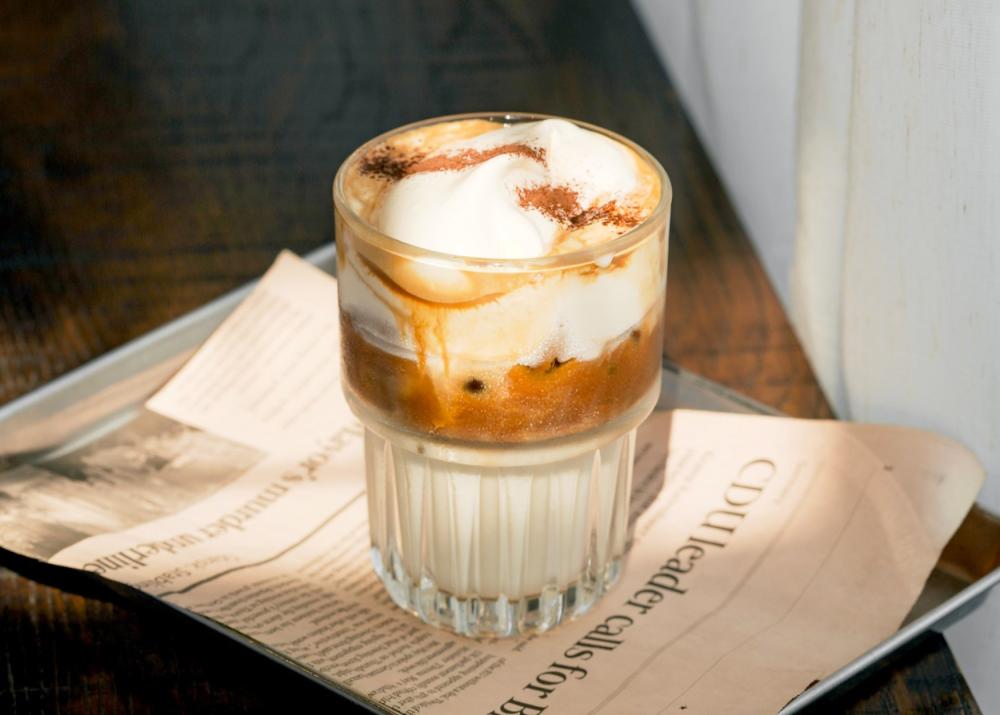
Read MoreBeyond offering energy and refreshment, enjoying a cup of coffee...
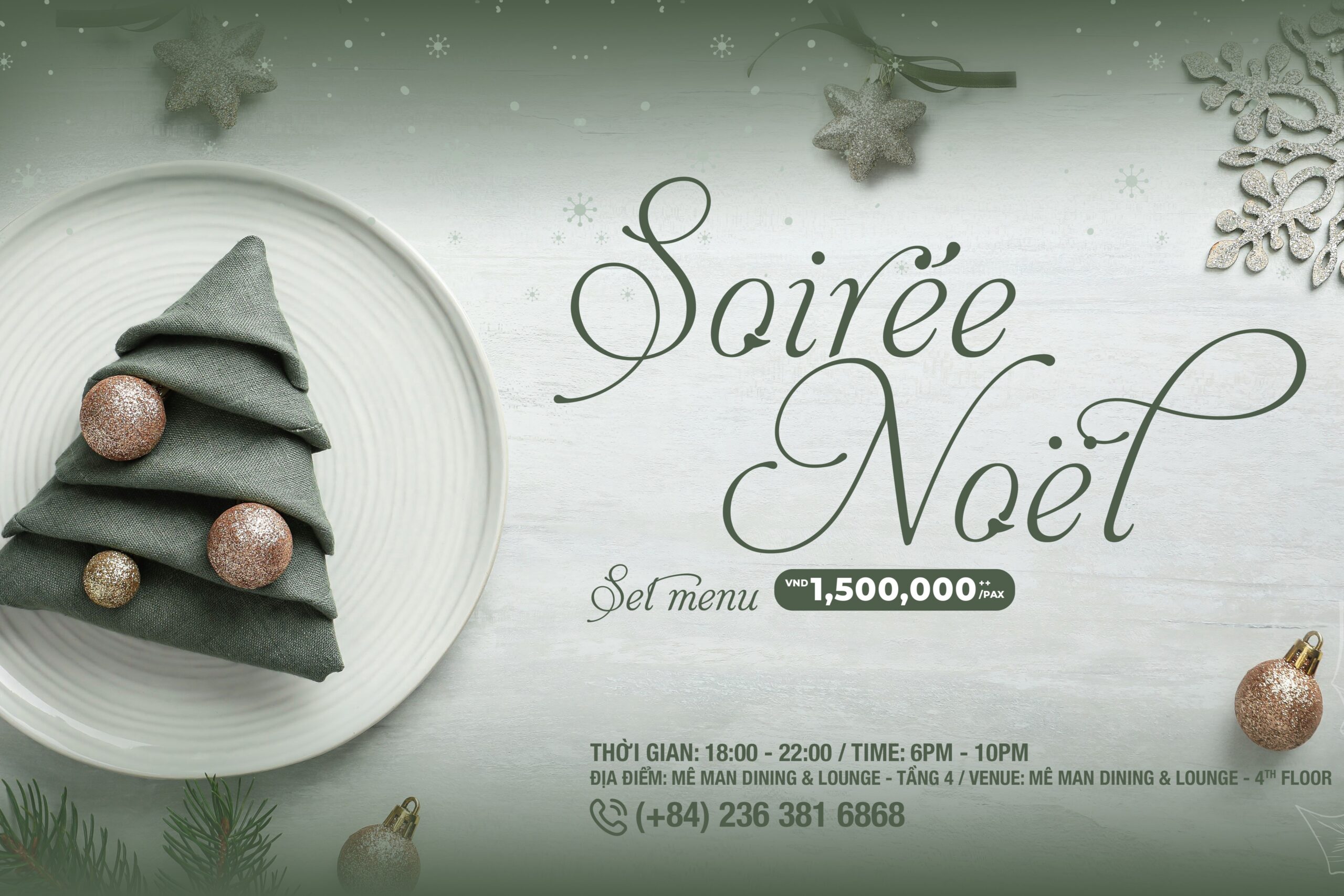
Read MoreCelebrate the season at M Hotel Danang, where ocean views...
Read More39 Ton That Thiep St, Sai Gon Ward, Ho Chi Minh City, Vietnam
+84 28 3821 2888
Email:
[email protected]

Follow us on our socials